

Living a healthy and fulfilling life is not about making drastic or overwhelming changes; rather, it is about adopting small, consistent habits that gradually improve overall well-being. The choices we make every day significantly influence our physical health, mental clarity, emotional stability, and overall happiness. By incorporating practical lifestyle tips into daily routines, individuals can create a balanced and meaningful life. Whether you are a student, a professional, or a homemaker, embracing positive lifestyle habits can lead to long-term benefits and a greater sense of satisfaction.
Understanding the Importance of a Healthy Lifestyle
A healthy lifestyle encompasses more than just physical fitness; it includes mental, emotional, social, and financial well-being. When these aspects are in harmony, individuals experience increased energy, improved resilience to stress, and a stronger sense of purpose. Maintaining a healthy lifestyle also reduces the risk of chronic diseases such as heart disease, diabetes, and obesity while enhancing longevity and quality of life. Furthermore, adopting positive habits fosters self-confidence and promotes a proactive approach to personal growth, enabling individuals to handle life’s challenges with greater ease and optimism.
Building a Powerful Morning Routine
Waking Up Early with Consistency
Starting the day early provides a sense of control and allows individuals to approach their responsibilities with a calm and focused mindset. Consistency in waking up at the same time each day helps regulate the body’s internal clock, leading to better sleep quality and sustained energy levels. Early mornings also offer a peaceful environment that is ideal for self-reflection, planning, and engaging in activities that nurture personal growth.
Hydrating the Body After Waking
After several hours of sleep, the body becomes dehydrated, making it essential to drink water immediately upon waking. Proper hydration stimulates metabolism, aids digestion, and helps flush out toxins from the body. Adding lemon or warm water can further enhance these benefits by supporting the immune system and promoting a refreshing start to the day.
Practicing Mindfulness and Meditation
Incorporating mindfulness or meditation into the morning routine significantly enhances mental clarity and emotional stability. Spending even a few minutes focusing on deep breathing or silent reflection helps reduce stress, improve concentration, and cultivate a positive mindset. Over time, this practice strengthens emotional resilience and encourages a more balanced response to daily challenges.
Engaging in Physical Activity
Light physical activities such as stretching, yoga, or a brisk walk activate blood circulation and release endorphins, which are natural mood enhancers. Regular morning exercise not only boosts energy levels but also supports cardiovascular health and improves overall fitness. Establishing this habit sets a productive tone for the rest of the day and reinforces discipline and consistency.
Eating a Nutritious Breakfast
A well-balanced breakfast provides the essential nutrients required to fuel the body and mind. Including a combination of proteins, healthy fats, and complex carbohydrates helps maintain stable blood sugar levels and prevents mid-morning fatigue. Foods such as oats, eggs, fruits, nuts, and whole grains contribute to sustained energy and improved cognitive performance throughout the day.
Maintaining Physical Health
Following a Balanced Diet
Nutrition plays a crucial role in sustaining overall health and vitality. A balanced diet rich in fruits, vegetables, whole grains, lean proteins, and healthy fats ensures that the body receives essential vitamins and minerals. Limiting processed foods, excessive sugar, and unhealthy fats helps prevent lifestyle-related diseases and supports optimal bodily functions. Mindful eating, which involves paying attention to hunger cues and savoring meals, further enhances digestion and satisfaction.
Incorporating Regular Exercise
Engaging in regular physical activity is one of the most effective ways to maintain physical health. Activities such as walking, jogging, cycling, swimming, or strength training improve cardiovascular fitness, enhance muscle strength, and boost immunity. Exercise also plays a significant role in reducing stress and anxiety by releasing endorphins, thereby promoting emotional well-being and mental clarity.
Prioritizing Quality Sleep
Adequate and restful sleep is essential for physical recovery and cognitive functioning. Adults should aim for seven to nine hours of sleep each night to allow the body to repair tissues, consolidate memories, and regulate hormones. Establishing a consistent sleep schedule, creating a relaxing bedtime routine, and minimizing screen exposure before sleep can significantly improve sleep quality and overall health.
Scheduling Regular Health Check-Ups
Preventive healthcare is vital for early detection and management of potential health issues. Regular medical check-ups, screenings, and vaccinations help individuals stay informed about their health status and take proactive measures to maintain well-being. This approach not only reduces the risk of serious illnesses but also promotes peace of mind and long-term stability.
Enhancing Mental and Emotional Well-Being
Practicing Gratitude Daily
Cultivating gratitude is a powerful way to foster positivity and emotional resilience. By acknowledging and appreciating the good aspects of life, individuals can shift their focus away from negativity and develop a more optimistic outlook. Keeping a gratitude journal or simply reflecting on positive experiences each day can significantly enhance happiness and life satisfaction.
Managing Stress Effectively
Stress is an inevitable part of life, but effective management techniques can prevent it from becoming overwhelming. Practices such as deep breathing, meditation, journaling, and engaging in hobbies provide healthy outlets for stress relief. Additionally, maintaining a balanced lifestyle and seeking social support can help individuals navigate challenging situations with greater ease.
Limiting Exposure to Negative Influences
Reducing exposure to negative news, toxic relationships, and excessive social media usage can greatly improve mental clarity and emotional stability. Surrounding oneself with supportive and positive individuals fosters a nurturing environment that encourages personal growth and well-being.
Seeking Professional Support When Necessary
When feelings of anxiety, depression, or emotional distress persist, seeking guidance from a mental health professional is a responsible and beneficial step. Professional support provides valuable tools and strategies for coping with challenges and promotes long-term psychological well-being.
Cultivating Positive Relationships
Communicating Effectively
Open and honest communication forms the foundation of strong relationships. Actively listening to others, expressing thoughts clearly, and demonstrating empathy help build trust and mutual understanding. Effective communication not only strengthens personal bonds but also enhances collaboration in professional settings.
Spending Quality Time with Loved Ones
Allocating time for family and friends nurtures emotional connections and creates lasting memories. Engaging in shared activities, celebrating achievements, and offering support during difficult times reinforce the sense of belonging and emotional security.
Establishing Healthy Boundaries
Setting clear boundaries is essential for maintaining balanced and respectful relationships. Learning to say “no” when necessary prevents emotional exhaustion and ensures that personal needs are not neglected. Healthy boundaries promote mutual respect and contribute to overall well-being.
Practicing Kindness and Compassion
Acts of kindness, whether small or significant, have a profound impact on both the giver and the receiver. Demonstrating compassion and appreciation strengthens social connections and fosters a sense of community, ultimately enhancing emotional fulfillment.
Improving Productivity and Time Management
Setting Clear and Achievable Goals
Defining specific and realistic goals provides direction and motivation in daily life. Utilizing the SMART framework—Specific, Measurable, Achievable, Relevant, and Time-bound—helps individuals stay focused and track their progress effectively. Clear goals enhance productivity and create a sense of accomplishment.
Prioritizing Tasks Efficiently
Organizing tasks based on their importance ensures that essential responsibilities are addressed promptly. Tools such as planners, digital calendars, and to-do lists can help individuals manage their time effectively and reduce the likelihood of missed deadlines.
Avoiding Procrastination
Procrastination often stems from feeling overwhelmed by large tasks. Breaking these tasks into smaller, manageable steps makes them less intimidating and easier to complete. Maintaining a structured routine and minimizing distractions further enhances efficiency and productivity.
Taking Regular Breaks
Short breaks during work or study sessions are essential for maintaining concentration and preventing burnout. Techniques such as the Pomodoro method encourage sustained focus while allowing time for mental rejuvenation, ultimately improving overall performance.
Developing Healthy Financial Habits
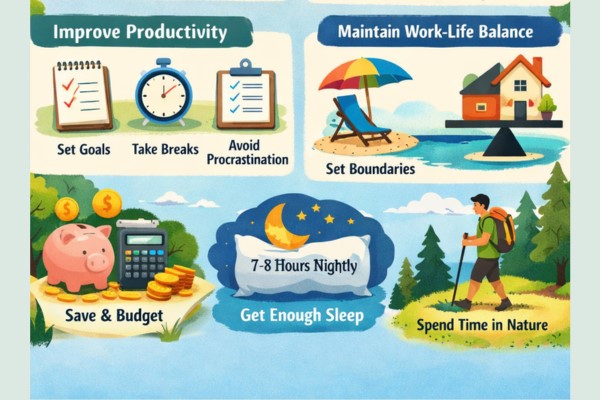
Creating and Maintaining a Budget
Financial stability is a key component of a balanced lifestyle. Developing a budget that tracks income and expenses enables individuals to manage their finances effectively and plan for future needs. This practice encourages responsible spending and ensures that essential obligations are met.
Building Savings and Investments
Establishing an emergency fund and investing in long-term financial instruments provide security and peace of mind. Consistent savings, even in small amounts, accumulate over time and contribute to financial independence and stability.
Practicing Mindful Spending
Evaluating purchases based on necessity rather than impulse helps prevent unnecessary debt and financial stress. Mindful spending encourages individuals to prioritize value and long-term benefits, leading to more sustainable financial habits.
Embracing Personal Growth and Self-Development
Reading and Continuous Learning
Engaging in regular reading and educational activities expands knowledge and stimulates intellectual growth. Continuous learning not only enhances professional opportunities but also fosters creativity and adaptability in an ever-changing world.
Learning New Skills
Acquiring new skills boosts confidence and opens doors to personal and professional advancement. Whether it involves learning a new language, mastering a hobby, or developing technical expertise, skill development enriches life experiences and promotes self-improvement.
Stepping Out of the Comfort Zone
Embracing new challenges encourages resilience and personal growth. By stepping outside familiar routines, individuals gain valuable experiences that enhance self-confidence and broaden perspectives.
Creating a Healthy Work-Life Balance
Establishing Clear Boundaries Between Work and Personal Life
Maintaining a clear distinction between professional responsibilities and personal time is essential for preventing burnout. Setting specific work hours and dedicating time to relaxation and family ensures a harmonious balance that supports overall well-being.
Scheduling Leisure and Recreational Activities
Participating in hobbies and recreational pursuits provides relaxation and mental rejuvenation. Activities such as traveling, gardening, painting, or playing sports contribute to emotional satisfaction and help individuals recharge.
Practicing Digital Detox
Reducing screen time and periodically disconnecting from digital devices promotes mental clarity and strengthens real-life relationships. A digital detox allows individuals to be more present and engaged in their surroundings.
Maintaining a Clean and Organized Environment
Decluttering Living and Work Spaces
A tidy and organized environment positively influences mental clarity and productivity. Removing unnecessary items reduces stress and creates a sense of calm, making it easier to focus on daily tasks.
Adopting Minimalist Living
Minimalism encourages intentional living by prioritizing quality over quantity. This approach simplifies life, reduces distractions, and fosters a deeper appreciation for meaningful experiences.
Connecting with Nature and Practicing Mindfulness
Spending Time Outdoors
Regular interaction with nature has been shown to reduce stress, enhance mood, and improve overall well-being. Activities such as walking in parks, gardening, or simply enjoying fresh air provide a refreshing break from daily routines.
Developing a Positive Mindset
Cultivating optimism and resilience enables individuals to navigate life’s challenges with confidence and grace. Positive thinking, combined with self-reflection and mindfulness, fosters emotional stability and long-term happiness.
Conclusion
Adopting the best lifestyle tips for daily life is a transformative journey that leads to improved health, happiness, and personal fulfillment. By focusing on balanced nutrition, regular exercise, mental well-being, meaningful relationships, financial stability, and continuous personal growth, individuals can create a life that is both productive and deeply satisfying. The key to lasting change lies in consistency and mindfulness, as small daily actions gradually evolve into lifelong habits. Embracing these principles empowers individuals to live with purpose, resilience, and joy.
Frequently Asked Questions (FAQs)
What are the most important lifestyle tips for daily life?
The most important lifestyle tips include maintaining a balanced diet, engaging in regular physical activity, ensuring adequate sleep, managing stress effectively, nurturing positive relationships, and practicing mindfulness. These foundational habits significantly enhance overall well-being.
How can I start improving my lifestyle?
Improving your lifestyle begins with small and manageable changes such as drinking more water, establishing a consistent sleep routine, incorporating short periods of exercise, and setting realistic goals. Gradual progress ensures sustainability and long-term success.
How long does it take to develop a new lifestyle habit?
The time required to form a new habit varies among individuals, but research suggests that it typically takes between 21 and 66 days. Consistency, motivation, and a supportive environment play crucial roles in successfully establishing new habits.
Why is work-life balance important?
Work-life balance is essential for preventing burnout, reducing stress, and maintaining healthy relationships. It allows individuals to allocate time for personal interests and relaxation, ultimately enhancing overall satisfaction and productivity.
Can lifestyle changes improve mental health?
Yes, positive lifestyle changes such as regular exercise, healthy eating, mindfulness practices, and strong social connections significantly contribute to improved mental health and emotional resilience.
How can I stay consistent with healthy lifestyle habits?
Staying consistent involves setting clear goals, tracking progress, maintaining a structured routine, and seeking support from friends or family. Celebrating small achievements also helps sustain motivation and reinforces positive behavior.
Read More: Mosquito Bites: Causes, Symptoms, Treatment, and Prevention